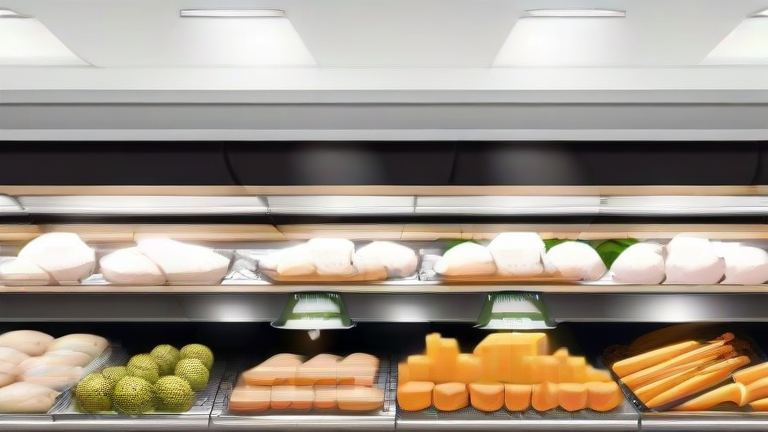
Save Big on Groceries: Top Food Deals & Coupons to Slash Your Bill
Navigating the modern supermarket aisle requires more than just a shopping list; it demands strategic foresight and a keen eye for value. To truly slash your monthly grocery bill, you must understand the rhythmic cycles of retail pricing and the psychology behind promotional signage. This guide empowers you to become a deal-savvy shopper, transforming routine purchases into calculated investments in your household budget.
The timing of your purchase is arguably the most critical factor in securing low prices. Perishables like fresh produce, meat, and dairy follow strict markdown schedules. Most retailers implement their deepest discounts on perishable items late in the day, typically between 7:00 PM and closing time. This is when store managers seek to clear inventory to minimize waste. Conversely, non-perishable staples such as canned goods, pasta, and cereal often see price drops during seasonal transitions or major holidays. For instance, buying winter squash in early spring or summer grilling supplies in late autumn can yield significant savings, as retailers clear out seasonal stock to make room for new arrivals.
If you want to dig deeper, check out our guide on Save on Amazon Fire 4K TVs & Clearances: 6-Magnet Mount Deal.
Understanding price history patterns allows you to distinguish between a true bargain and a temporary dip. Many large chains now offer price tracking apps or loyalty card features that display historical pricing data. Use these tools to establish a baseline. If a specific brand of coffee is consistently priced at $12, a sale price of $11.50 is not a deal; it is simply the regular rate. Genuine discounts are usually marked down by at least 30% from the standard shelf price. Be wary of “always-on” sales, where the marked-down price is actually the highest the item ever gets. By tracking these patterns over several months, you can identify the true low point for each product category, ensuring you only buy when the math makes sense.
Finally, spotting genuine discounts versus fake markups requires skepticism and comparison. Retailers often employ “phantom discounts,” where they inflate the original price just before a sale to make the reduction look impressive. To combat this, check the unit price per ounce or pound rather than the total bag price. A larger package may appear cheaper overall but could have a higher unit cost than a smaller, standard-priced item. Additionally, always compare the sale price against competitors. If Store A claims a 20%