Top 10 Tech Trends Transforming Business in 2026
The technological landscape of 2026 is defined by a profound shift from experimental innovation to practical, scalable integration. Businesses are no longer asking if they should adopt new technologies, but rather how they can leverage these tools to drive tangible efficiency and revenue growth. This year marks a pivotal moment where artificial intelligence, sustainable computing, and advanced connectivity converge to reshape operational frameworks across global industries.
At the forefront is Generative AI. Moving beyond simple chatbots, enterprises are integrating Large Language Models (LLMs) directly into their core workflows. These systems now handle complex data analysis, code generation, and personalized customer service with unprecedented accuracy. The latest models feature enhanced reasoning capabilities and multimodal inputs, allowing businesses to process text, images, and audio simultaneously. This integration reduces operational costs by up to 40% in customer support sectors while accelerating software development cycles significantly.
If you want to dig deeper, check out our guide on Save on Hisense QD50 58″ & Best Buy TV Clearance Deals.
Secondly, the Internet of Things (IoT) has evolved into the Industrial Internet of Things (IIoT). Modern sensors are no longer just data collectors; they are edge computing nodes capable of real-time decision-making. In manufacturing, these smart devices predict equipment failures before they occur, minimizing downtime. The integration of 5G networks ensures low-latency communication, enabling seamless remote control of heavy machinery and autonomous vehicles within smart factories.
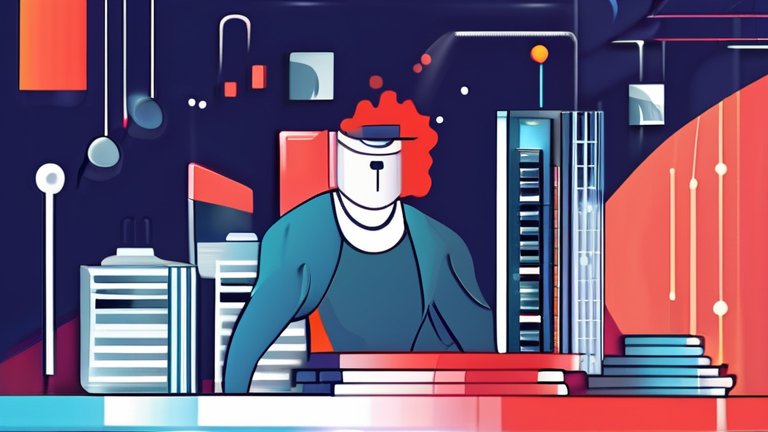
Cloud computing has matured into a hybrid and multi-cloud dominant strategy. Organizations are prioritizing flexibility and security by distributing workloads across public and private environments. Edge computing complements this by processing data closer to the source, reducing bandwidth costs and improving response times for critical applications like autonomous driving and telemedicine.
Cybersecurity is undergoing a paradigm shift with the adoption of Zero Trust Architecture. As remote work becomes permanent, the traditional perimeter-based security model is obsolete. Zero Trust assumes breach and verifies every request as though it originates from an open network. Combined with AI-driven threat detection, this approach identifies anomalies in real-time, protecting sensitive intellectual property from sophisticated ransomware attacks.
Blockchain technology is finding practical applications beyond cryptocurrency. Supply