Step-by-Step Tutorial: How to Master Typing in Minutes
Learning to type efficiently is one of the most valuable skills you can acquire in the digital age. It transforms your relationship with technology, allowing you to express thoughts faster than you can speak them. While true mastery takes practice, you can achieve significant proficiency in just a few minutes by following this structured approach. This guide will walk you through the essential mechanics, posture, and mindset required to elevate your keystrokes from clumsy taps to fluid streams of text.
Step 1: Perfect Your Posture and Hand Placement
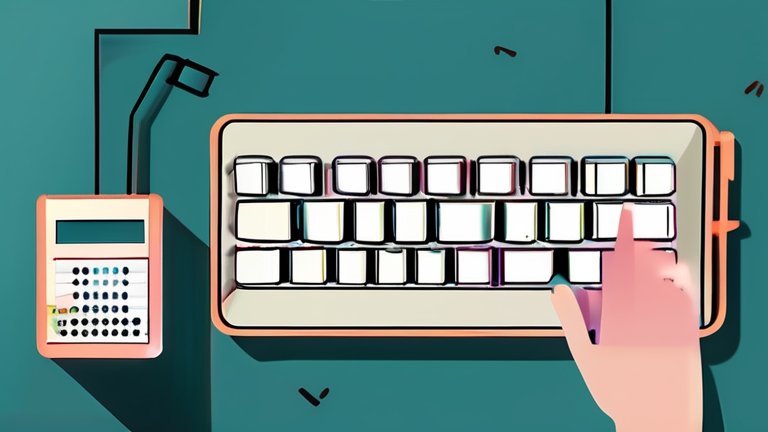
Before you touch a single key, you must establish the physical foundation for speed. Sit upright with your feet flat on the floor and your back supported. Your shoulders should be relaxed, not hunched. Position your wrists slightly elevated above the keyboard, never resting them heavily on the desk, as this restricts blood flow and causes fatigue. The most critical aspect is home row positioning. Place your left hand fingers on A, S, D, and F, and your right hand fingers on J, K, L, and the semicolon key. Notice the small raised bumps on the F and J keys; these tactile markers help you find your place without looking down.
If you want to dig deeper, check out our guide on Best Buy TV Clearance: Hisense QD50 Deal & Magnet Remote Hol.
Step 2: Understand Touch Typing Principles
The core secret to speed is never looking at the keyboard. This seems daunting at first, but it is the only way to build muscle memory. Assign each finger to specific columns of keys. For instance, the left pinky handles Q, A, and Z, while the right ring finger manages the L and comma keys. As you begin, focus on accuracy over speed. It is better to type slowly and correctly than quickly and with errors. Use online resources like TypingClub or Keybr.com to guide your finger movements. These tools provide immediate feedback and adapt to your learning pace, ensuring you do not develop bad habits early on.
Step 3: Practice Consistent Rhythm and Breathing
Typing is a rhythmic activity. Try to maintain