Sustainable Fashion Drives the Circular Economy
When we think of the circular economy, our minds often drift toward industrial recycling plants or renewable energy grids. However, a profound shift is occurring in our wardrobes, transforming the way we perceive value, ownership, and waste. Sustainable fashion is no longer just a niche trend; it is the heartbeat of a new economic model that prioritizes longevity over disposability. This movement is not merely about buying “eco-friendly” clothes; it is about reimagining the entire lifecycle of a garment, from the fiber to the final stitch, and ultimately, back to the beginning.
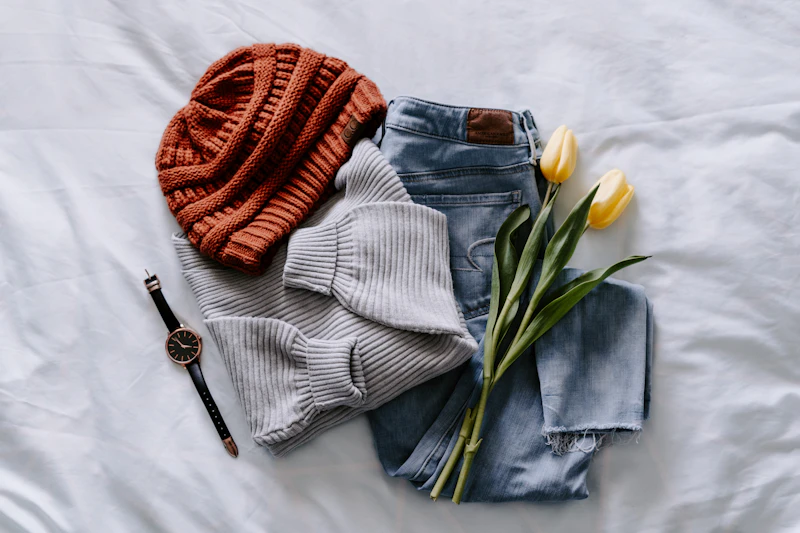
The traditional linear model of “take-make-dispose” has led to a global crisis of textile waste. Billions of tons of clothing end up in landfills every year, releasing methane and leaching toxic chemicals into the soil. In contrast, the circular economy demands that materials remain in use for as long as possible. This is where the consumer plays a pivotal role. By choosing quality over quantity, repairing tears instead of discarding garments, and participating in resale markets, individuals become active participants in this closed-loop system. Every pair of jeans purchased second-hand is a vote against fast fashion’s environmental devastation.
If you want to dig deeper, check out our guide on Save Big: Top Kids & Baby Shopping Deals.
This shift also intersects deeply with personal growth and mindfulness. In a world obsessed with the “new,” slowing down to curate a conscious wardrobe forces a moment of reflection. What do I truly need? Does this piece bring me joy? Will I wear it in five years? This intentionality spills over into other areas of life, fostering a deeper connection with our possessions and our planet. It is a form of self-care that extends beyond the physical body to encompass our ethical footprint. The act of mending a shirt becomes a meditation on patience and care, challenging the instant-gratification culture that dominates modern society.
Culture, too, is evolving. We are seeing a resurgence of artisanal techniques and local craftsmanship. As consumers demand transparency, brands are returning to small-batch production, supporting local economies and preserving traditional skills. This cultural renaissance is not