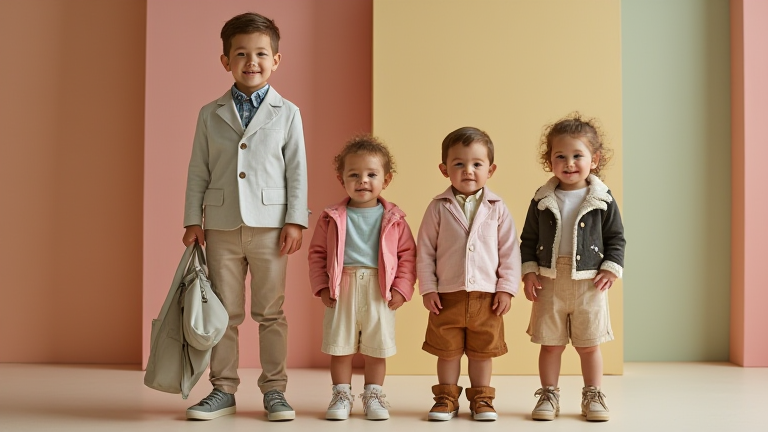
Save Big: Top Kids & Baby Shopping Deals
Raising children is a joyful journey, but the financial aspect can quickly become overwhelming. Baby gear and children’s clothing represent a significant portion of household spending, often without the resale value of adult items. However, by adopting a strategic, deal-savvy approach, parents can drastically reduce these costs without compromising on safety or quality. This guide outlines the optimal timing for purchases, analyzes historical price trends, and provides tools to distinguish authentic discounts from misleading retail tactics.
If you want to dig deeper, check out our guide on Save Big: LG Outlet, Magnetic TV Holder & No-Stud Wall Mount.
The Strategic Timing of Purchases
The calendar is your most powerful ally in the world of baby and kids’ shopping. Retailers operate on strict seasonal cycles, and knowing when inventory clears is crucial. For baby gear, such as strollers, car seats, and cribs, the best time to buy is typically in late summer and early fall. As back-to-school seasons approach, retailers clear out baby-related stock to make room for new models and educational supplies. Similarly, major holidays like Memorial Day, Fourth of July, and Labor Day consistently offer deep discounts on large baby items. For clothing, the strategy shifts slightly. Buy winter clothes in January and spring/summer attire in late August or September. These end-of-season clearances often see discounts of 50% to 70%, allowing you to stock up for the following year at a fraction of the original cost.
Analyzing Price History Patterns
Understanding how prices fluctuate over time prevents impulse buying based on perceived urgency. Many major online retailers, including Amazon and Target, have predictable price patterns for popular baby brands. Items like diaper boxes, wipes, and formula often see price drops during “Prime Day” events or back-to-school promotions. Historically, baby gear prices tend to be stable for the first six months after release, followed by a gradual decline. However, around the one-year mark, significant markdowns occur as newer models hit the shelves. Using browser extensions that track price history, such as CamelCamelCamel for Amazon or Honey for general retail, allows you to visualize these trends. If a product’s current price is at its historical low, it is a green light to purchase. If it is near its historical high, patience is advised. This data-driven approach removes emotional decision-making from the equation.