Circular Fashion Trends Dominating Retail in 2026
The fashion industry is undergoing a profound transformation, shifting away from the traditional linear “take-make-dispose” model toward a sustainable, circular economy. In 2026, consumers are no longer just looking for trendy outfits; they are demanding transparency, durability, and ethical responsibility from the brands they support. This article explores the key features driving this revolution and highlights why embracing circular fashion is not just a trend, but a necessary evolution for both retail giants and individual shoppers.
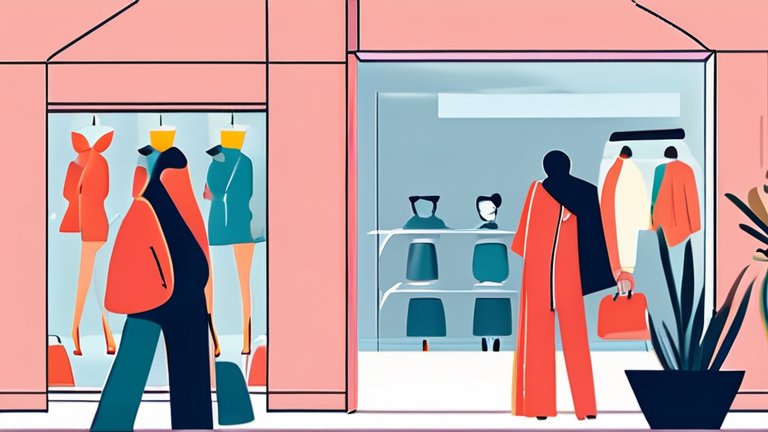
One of the most significant feature highlights in this year’s market is the rise of “rent-to-own” and resale-integrated platforms. Major retailers are now embedding second-hand marketplaces directly into their primary e-commerce sites, allowing customers to buy pre-loved items alongside new ones. This seamless integration reduces friction for buyers who want to participate in the circular economy without sacrificing convenience. Additionally, advanced material innovation has led to the widespread use of bio-based textiles and recycled polyester, which significantly lower the carbon footprint of production processes. Brands are also adopting digital product passports, providing QR codes that reveal a garment’s entire lifecycle, from raw material sourcing to end-of-life recycling options.
If you want to dig deeper, check out our guide on Woot Deals: DEWALT Tools, Electronics & Organize Your Life.
When comparing these new circular initiatives to traditional fast fashion, the differences are stark. While conventional models prioritize low upfront costs and rapid turnover, circular fashion emphasizes longevity and value retention. A study by recent market analysts indicates that garments purchased through circular channels retain up to 30% more of their initial value compared to their disposable counterparts. Furthermore, the environmental impact is drastically reduced. Traditional manufacturing often relies on water-intensive processes and hazardous chemicals, whereas circular brands prioritize closed-loop systems that minimize waste and pollution. For the consumer, this means higher quality products that last longer, reducing the need for frequent replacements and ultimately saving money over time.
Despite these advantages, some critics argue that the initial price point of circular fashion remains higher than fast fashion alternatives. However, when calculating the cost per wear, the long-term savings become evident. Moreover, the ethical implications of supporting fair labor practices and environmental stewardship add intangible value that cannot be measured in dollars alone. As technology continues to improve, production costs are