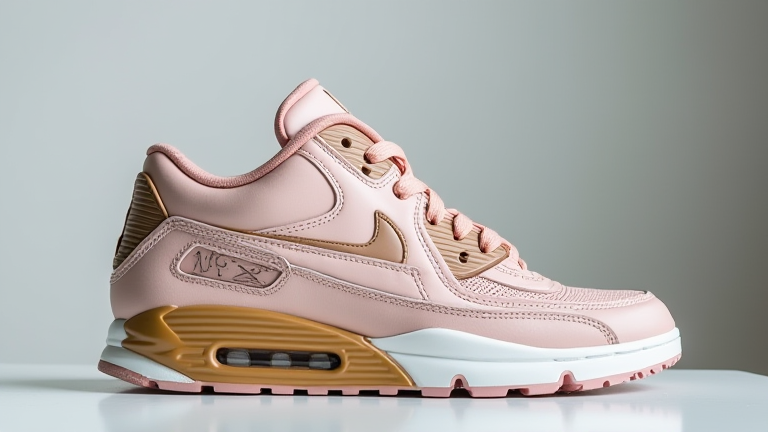
 Top Fashion Deals: Save Up to 50% Off Trendy Styles
TL;DR: The best times to buy trendy fashion are during mid-season sales in July and January, as well as end-of-season liquidation events in late August and December. To ensure you are saving money, cross-reference current prices with historical data tools and look for markdowns that exceed the average seasonal discount rate of 30%.
Timing Your Purchase
Understanding the retail calendar is crucial for maximizing savings on fashion items. Retailers follow a predictable cycle based on seasonal transitions. The most significant discounts occur when stores need to clear inventory to make room for new collections. For spring and fall collections, the optimal buying window is roughly six to eight weeks after the initial launch. This period coincides with the mid-season sale, where retailers aggressively reduce prices to boost cash flow before the weather fully shifts. Additionally, the “White Friday” weekend, which includes Black Friday and Cyber Monday, offers some of the deepest cuts of the year. However, be cautious during this period as high demand often leads to quick sell-outs. Conversely, avoid buying at the start of a season, as prices are at their peak. Instead, wait for the end-of-season clearance, typically occurring in late August for spring items and late December for fall items. These events often feature the steepest markdowns, sometimes exceeding 70%, but selection is limited to leftover sizes and styles.
If you want to dig deeper, check out our guide on adidas, Fanatics & More: Early Holiday Deals, Power Tool Org.
Price History and Patterns
Fashion prices rarely follow a straight line downward. Initially, a new trend may be marked up significantly to create a perception of luxury or exclusivity. Over the following months, the price may dip slightly during minor promotional events before dropping sharply during major sale periods. To navigate this, use price-tracking extensions or websites that display historical price charts. These tools reveal the lowest price an item has ever been sold for. If a current “sale” price is higher than the item’s historical low, it is not a genuine deal. Furthermore, observe the pattern of markdowns. A typical markdown progression might be 20% off in week one, 40% off in week two, and 60% off in week three. Buying during the second markdown often offers the best balance between price and availability. If a price has remained stable for three months or more, it is less likely to drop further, suggesting the retailer does not expect significant demand fluctuations for that item.
Spotting Genuine Discounts
Fake markups are a common tactic used to make discounts appear larger than they actually are. Retailers may artificially inflate the “original” price of an item just before a sale, creating a false sense of urgency and savings. To spot this, always check the price history. If the “original” price was only active for a few days, or if the item was previously sold for significantly less, the current discount is misleading. Additionally, look for specific markers of genuine deals. Authentic discounts often come with clear return policies and are applied to a wide range of stock, not just a few high-margin items. Be wary of “limited time” offers that recur annually at the same time; these are often pre-planned marketing events rather than genuine inventory clearances. Finally, compare prices across multiple retailers. If one store is offering a 50% discount while others are selling the same item for 10% more than the discounted price, the discount is likely fake. By combining timing strategies, historical price analysis, and critical evaluation of pricing tactics, you can consistently secure the best value on trendy fashion without falling for marketing traps.
FAQ
Q: Is Black Friday the best day to buy fashion?
A: It is one of the best, but mid-season sales in July and January often offer better selection at similar price points without the high traffic.
Q: How can I verify if a price drop is real?
A: Use browser extensions that track price history to see if the “original” price was recently inflated or if the item has historically sold for less.
Q: Should I buy new season items at full price?</strong